The short answer to how to mulch a garden is this: clear the weeds, water the soil, and spread 2 to 3 inches of organic material over the surface, with a small gap around each stem. The choices that matter are which material you use, how deep you lay it, and when you put it down. Get those three right and one afternoon of work pays you back for the whole season.
What does mulch do?
Mulch is any layer that covers the soil. A good layer does four jobs at once:
- It shades the soil, so less water evaporates.
- It blocks light, so fewer weed seeds sprout.
- It softens the swings between hot days and cold nights.
- It stops rain from packing the surface into a crust.
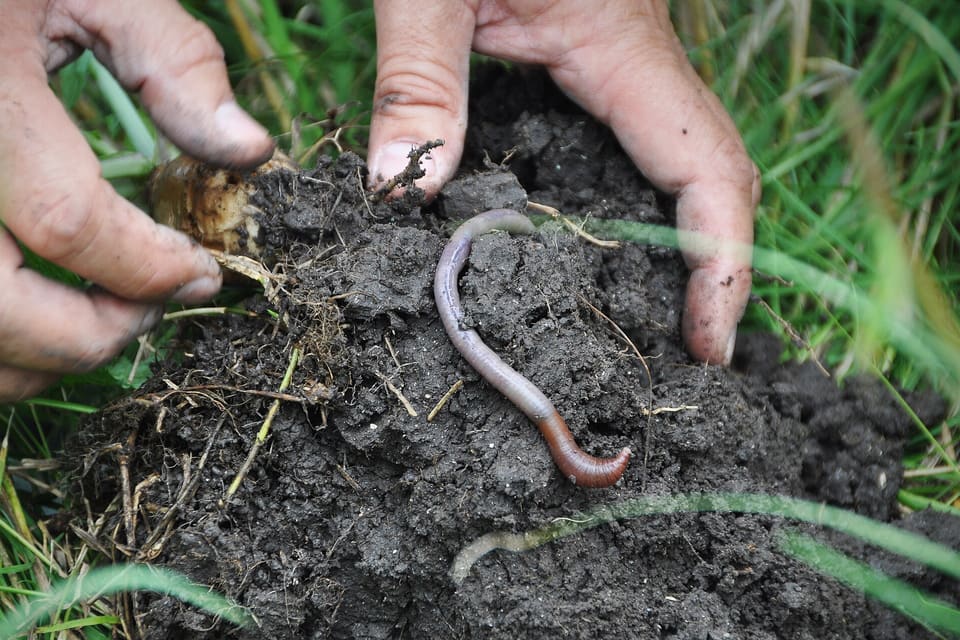
An organic mulch also rots slowly from the bottom up. Worms pull it down, and it becomes part of the soil. That is one of the easiest ways to improve garden soil naturally, because you do not have to dig anything in.
Which mulch should you use?
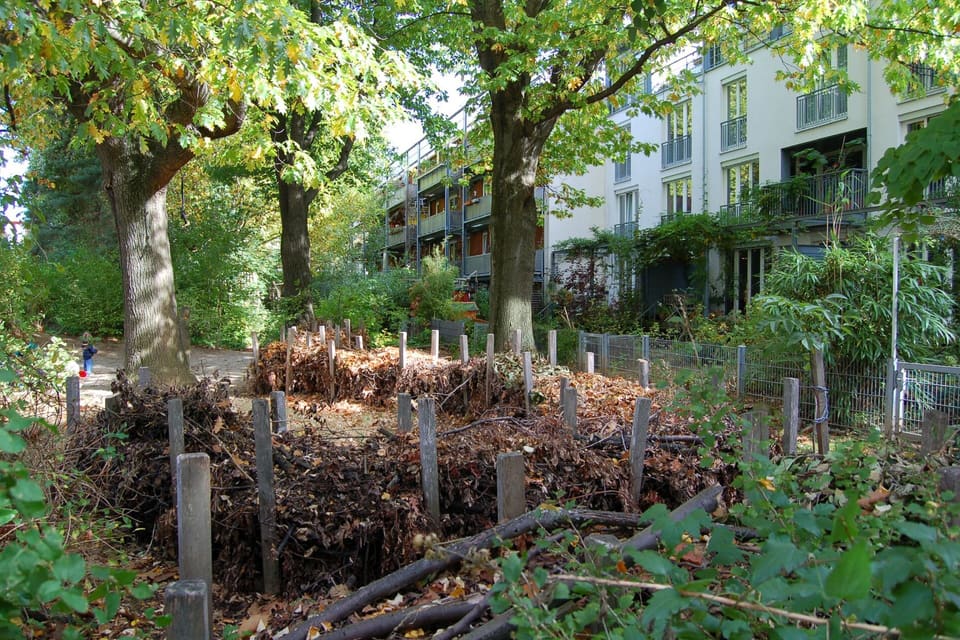
Use what you can get nearby and cheaply. The best mulch is often the one that your own garden makes.
| Material | Best for | How long it lasts | Notes |
|---|---|---|---|
| Shredded leaves | Vegetables, flowers, shrubs | One season | Free every fall. Shred them with a mower so they do not mat. |
| Straw | Vegetables, strawberries | One season | Light and easy to move. Use straw, not hay, which is full of seeds. |
| Grass clippings | Vegetables | A few weeks | Lay thin layers and let each one dry, or they turn slimy. |
| Compost | Any bed | One season | Feeds the most, but stops fewer weeds than a coarse mulch. |
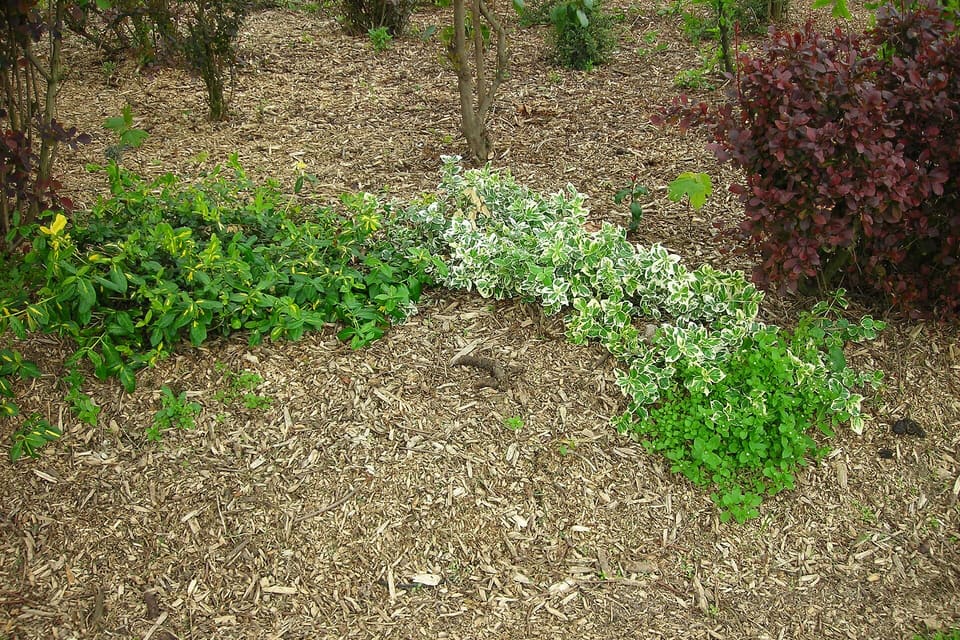
| Wood chips or bark | Trees, shrubs, paths | Two to three years | Slow and tidy. Keep them on the surface. |
| Gravel or stone | Dry gardens, alpine plants | Many years | Does not feed the soil, and it holds heat. |
What about wood chips and nitrogen?
You may hear that wood chips "steal" nitrogen from plants. On the surface, they do not cause a problem that you would notice. The effect happens only in the thin zone where chips touch soil. It becomes a real problem when you dig fresh chips into the ground, so keep them on top.
Materials to be careful with
- Grass clippings from a treated lawn. Some lawn weedkillers stay active in clippings and can harm vegetables. If the lawn was treated, do not use its clippings on food beds.
- Fresh manure. It can burn roots. Let it age or compost it first.
- Plastic sheets. They block weeds, but they also block water and air, and the soil below slowly gets poorer. A layer of plain cardboard under an organic mulch does the same job and then rots away.
How deep should mulch be?
For most organic mulches, 2 to 3 inches is right. Less than that and light gets through, so weeds come up. Much more and rain has trouble reaching the soil. To find out how many bags that is for your beds, enter the area and the depth in the soil calculator.
- Fine materials such as compost and shredded leaves: about 2 inches.
- Coarse materials such as straw and wood chips: 3 inches, and up to 4 around trees and shrubs.
- Grass clippings: no more than 1 inch at a time.
When should you mulch?
Timing depends on what you want the mulch to do.
- Late spring is the main time for vegetable and flower beds. Wait until the soil has warmed and your seedlings are a few inches tall. Mulch laid on cold soil keeps it cold, and tender crops such as tomatoes sulk.
- Early summer is not too late. Mulch before the first dry spell, right after rain or a deep watering.
- Fall is the time to cover empty beds and to protect roots. Wait until after the first hard frost for perennials, so the mulch holds the ground at a steady cold and does not keep it warm.
- Any time suits trees, shrubs, and paths, as long as the soil is moist.
Fall also gives you the best free material of the year. Shred the leaves and use them now, or store them to make leaf mold for next season.
How do you lay it, step by step?
- Weed first. Pull or hoe every weed that you can see. Mulch stops seeds, but strong perennial weeds push through it.
- Water the bed well. Mulch holds moisture in, and it also keeps a light rain out. Start with wet soil.
- Add a base layer if weeds are bad. Lay plain cardboard or several sheets of newspaper, overlap the edges, and wet it.
- Spread the mulch to the right depth with a rake or your hands.
- Pull it back from stems. Leave a gap of 2 to 3 inches around each plant and a wider ring around a trunk.
- Water once more to settle the layer, so the wind does not move it.
How do you look after mulch?
- Top it up once a year. Check the depth in spring. Add enough to bring it back to 2 to 3 inches. You do not need to remove the old layer.
- Fluff a matted layer. Leaves and clippings can form a crust that sheds water. Break it up with a fork.
- Pull the few weeds that appear. They come out easily from soft, mulched soil.
- Move it aside to sow. Small seeds cannot push through mulch. Rake it back, sow in the bare row, and push the mulch back when the seedlings are a few inches tall.
Mulch is also one of the largest savings of water that you can make, and the guide on how to save water in the garden shows how it fits with deep watering and the right timing.