To improve garden soil, add organic matter every year, keep the surface covered, and disturb it as little as you can. That is the whole method. Compost, leaves, and mulch feed the worms, fungi, and bacteria that turn hard or tired ground into dark, crumbly soil. It does not happen in a week, but you will see a difference in the first season and a large one after two or three years.
What kind of soil do you have?
You do not need a laboratory to learn the basics. Two simple tests tell you most of what you need.
The squeeze test
Take a handful of moist soil from a few inches down, and squeeze it.
- Sandy soil feels gritty and falls apart when you open your hand. It drains fast, warms early in spring, and dries out and loses nutrients quickly.
- Clay soil feels smooth and sticky, and you can roll it into a ribbon between your fingers. It holds nutrients well, but it drains slowly, and it bakes hard in summer.
- Loam holds its shape and then crumbles when you poke it. This is the mix that most plants like.
The drainage test
Dig a hole about a foot deep and a foot wide. Fill it with water, and let it drain. Fill it again, and watch. If the water is gone in a few hours, the drainage is good. If water still stands in the hole the next day, the soil drains poorly. In that case, consider raised beds, and choose plants that accept wet ground.
Why is organic matter the answer?
Organic matter is anything that was once alive: compost, rotted leaves, aged manure, grass clippings, straw. Soil life breaks it down into humus, which sticks soil particles together into small crumbs. The spaces between the crumbs hold air and water.
The same material fixes opposite problems. In sand, it works like a sponge and holds water and nutrients. In clay, it opens the soil, so water and roots can move through it.
Do not add sand to clay soil to loosen it. In small amounts, sand can make clay set even harder.
How to add compost
Spread 1 to 2 inches of finished compost on the surface of your beds once a year. Fall and early spring are both good times. Worms and rain take it down into the soil for you.
For a new bed on poor ground, you can fork the first layer of compost into the top few inches. After that, add it from the top.
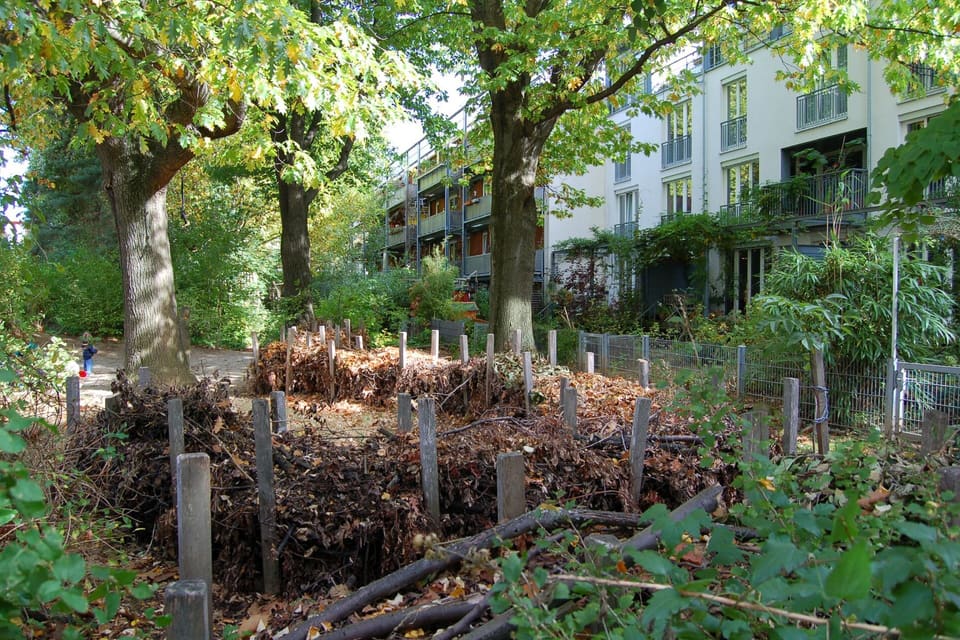
You can buy compost, but it is easy to make from kitchen and garden waste. See the guide on how to start composting at home. Fall leaves are another free source. Rotted leaves are one of the best soil conditioners, and the post on how to make leaf mold shows the steps.
Keep the soil covered
Bare soil has no protection. Rain packs it down and washes nutrients away, sun dries it, and weeds move in.
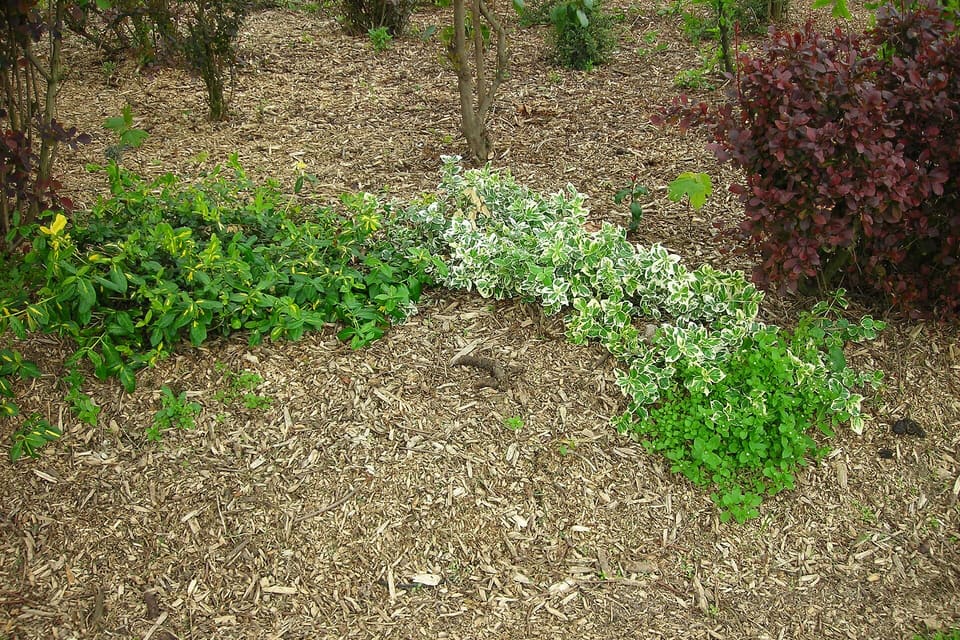
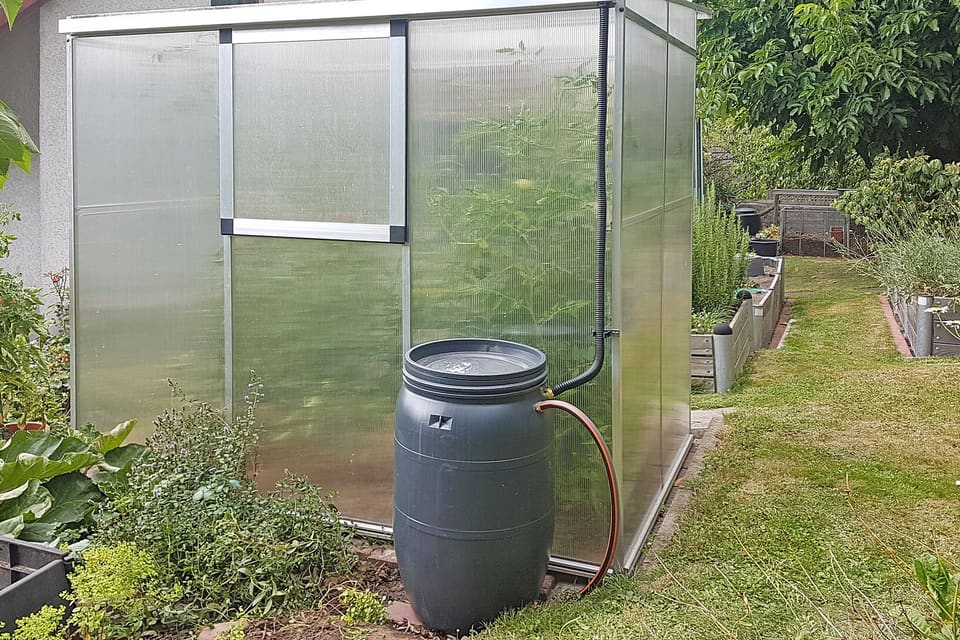
- Mulch beds with 2 to 3 inches of shredded leaves, straw, or wood chips. Mulch also keeps moisture in, which helps you save water in the garden.
- Plant closely, so the leaves shade the soil.
- Sow a cover crop on beds that are empty over winter.
Cover crops: grow your own soil food
A cover crop is a plant that you grow for the soil, not for the harvest. Its roots loosen the ground and feed soil life, and its leaves protect the surface.
- Winter rye and oats make a thick mat of roots and hold the soil through winter. Oats die in a hard frost and leave a mulch behind.
- Clover, vetch, and field peas are legumes. They take nitrogen from the air with the help of bacteria on their roots.
- Buckwheat grows fast in summer and fills a gap between crops.
Sow in late summer or early fall, after you clear a bed. In spring, cut the plants down before they set seed. Leave the tops on the surface as mulch, or put them on the compost pile. Wait two to three weeks before you plant.
Dig less
Each time you turn the soil, you break the crumbs that soil life has built, and you bring buried weed seeds to the light. A bed that you never walk on does not need to be dug each year.
- Make beds narrow enough that you can reach the middle from the path. About 4 feet is a good width.
- Add compost on top, and plant through it.
- Loosen compacted spots with a garden fork. Push it in, and rock it back, but do not turn the soil over.
Should you test the pH?
The pH tells you how acidic or alkaline the soil is. Most vegetables and flowers grow best in soil that is slightly acidic to neutral, from about 6 to 7. Outside their preferred range, plants cannot take up some nutrients, even when the nutrients are there.
A simple test kit from a garden center gives you a rough number. A soil laboratory gives you an exact one, with advice. Garden lime raises the pH, and sulfur lowers it, but add them only after a test and in the amounts that the test result recommends. Regular compost also helps to hold the pH steady.
How do you know it is working?
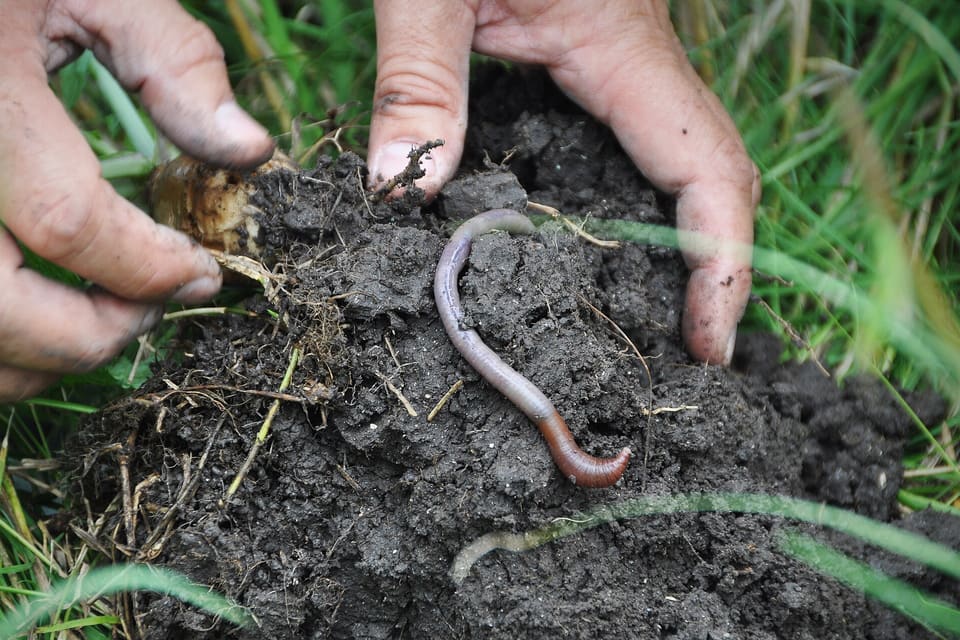
- You find more earthworms when you plant.
- The soil is darker and smells fresh and earthy.
- A trowel goes in easily.
- Water sinks in and does not form puddles or run off.
- Plants grow evenly and need less feed and water.
Soil gets better slowly, and it stays better only if you keep feeding it. Make the yearly layer of compost a habit, and plan the rest of the year with the seasonal garden calendar.