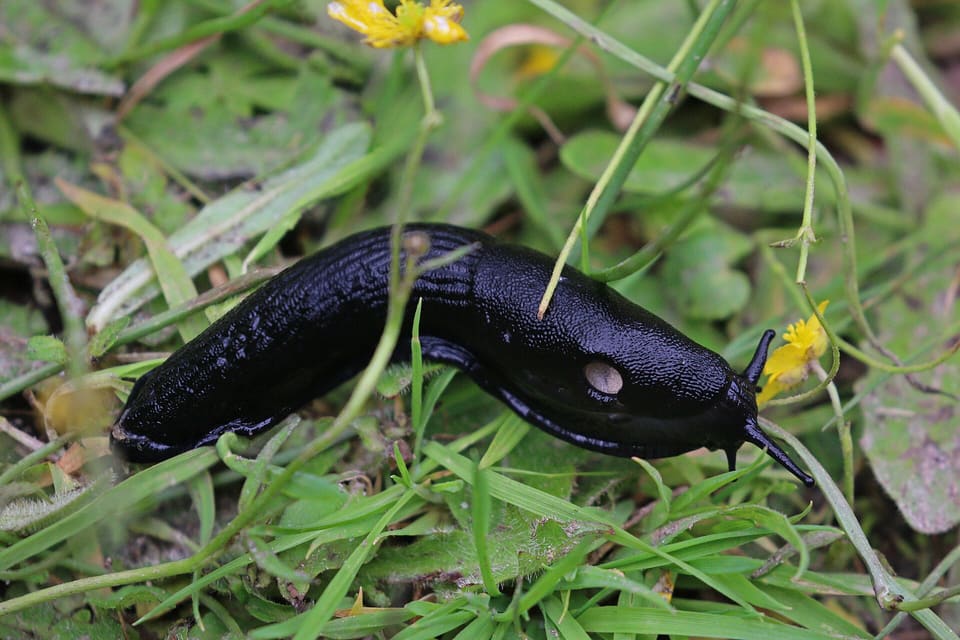
The surest way to get rid of slugs in the garden naturally is to collect them by hand at dusk, several evenings in a row, and to make the garden less comfortable for the ones that are left. Traps, barriers, and morning watering all help. You will not remove every slug, and you do not need to. The aim is to protect young plants until they are big enough to grow away from the damage.
How do you know that it is slugs?
You rarely see slugs in the daytime, but they leave clear signs:
- Ragged holes in leaves, often in the middle of the leaf and not only at the edge.
- Seedlings that are eaten down to a stump overnight.
- Silvery slime trails on leaves, soil, and paving, most visible in the morning.
- Holes that are scraped into strawberries, lettuce hearts, and low tomatoes.
Go out an hour after dark with a flashlight, best of all on a mild, damp evening. If slugs are the cause, you will find them on the plants.
Which plants need protection?
Slugs prefer soft, young growth. Put your effort where it matters:
- Seedlings of all kinds, in their first weeks
- Lettuce and other salad leaves
- Young beans, squash, and brassicas
- Hostas, delphiniums, and dahlias when the shoots come up in spring
- Strawberries when the fruit ripens
Woody plants, herbs with strong scent such as rosemary and lavender, and most established perennials are rarely harmed.
How to collect slugs by hand
This is the least pleasant method and the most effective one.
- Go out at dusk or after dark with a flashlight and a container. Wear gloves if you prefer.
- Look on the plants, below the leaves, and on the soil around them.
- Pick the slugs off and drop them into the container.
- Do it every evening for a week, then once or twice a week.
In the daytime, look in the places where slugs hide: below pots, boards, stones, and low, dense leaves.
What you do with them is your choice. Many gardeners drop them into a bucket of soapy water. You can also carry them far from the beds, for example to a compost pile at the end of the yard, where they help to break down waste.
Do traps work?
Traps catch slugs, and they also show you how many you have.
- Board or tile trap: lay a flat board, a roof tile, or an upturned grapefruit half on the soil near the plants. Slugs shelter below it in the daytime. Lift it each morning and collect them.
- Beer trap: sink a cup or a jar into the soil and half fill it with beer. Leave the rim about half an inch above the soil, so that ground beetles do not fall in. Empty and fill it again every few days, and after rain.
Traps reduce the numbers near the trap. They do not clear a garden alone, so use them together with hand collection.
Do barriers work?
Barriers help in dry weather and for single plants. Be honest about their limits.
| Barrier | How it helps | Its limit |
|---|---|---|
| Copper tape around pots and raised beds | Slugs tend to turn back from it | Leaves that touch the ground make a bridge over it |
| Crushed eggshells, grit, or sharp sand | A rough, dry ring is harder to cross | Works poorly when it is wet, and wet is when slugs move |
| Wool pellets | Make a dry, fibrous mat around the plant | Need to be renewed as they break down |
| Collar from a cut plastic bottle | Protects one seedling for its first weeks | Useful only for single plants |
Make the garden less inviting
Slugs need moisture and a place to hide. Take away some of each.
- Water in the morning. The surface is then dry by evening, when slugs come out. Water at the base of the plants and not over the whole bed. A drip line helps: see drip irrigation or soaker hose for the choice.
- Clear the hiding places near seedlings. Move boards, empty pots, and piles of weeds away from young plants.
- Keep thick mulch back from small seedlings for their first weeks. Mulch is good for the soil, but it also gives slugs cover. Pull it close again when the plants are sturdy.
- Raise seedlings in pots first. A plant with five or six true leaves survives a few bites. A seedling with two leaves does not. Harden the plants off and set them out when they are strong.
Let the predators help
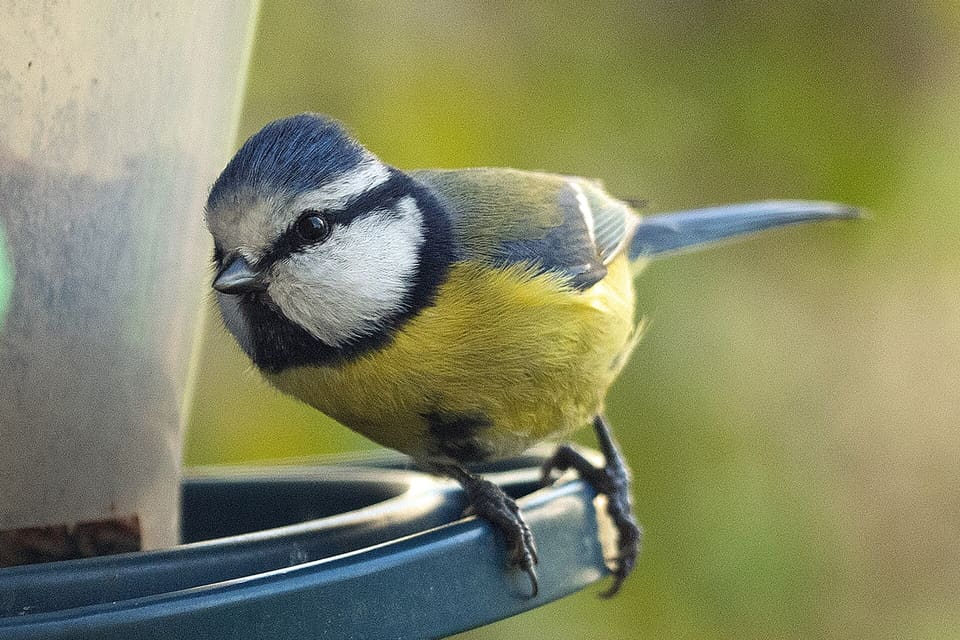
Many animals eat slugs and their eggs: thrushes and other birds, frogs, toads, ground beetles, and slow worms and hedgehogs where they live. A small pond, a log pile in a quiet corner, and some low, dense planting bring them in. It takes a season or two, and then the balance holds with much less work from you. The guide to organic pest control for vegetable gardens has more about helpers, and the post on how to attract birds to your garden shows what birds need.
Are slug pellets an option?
If slugs still destroy young plants after all this, pellets with iron phosphate are an option. They are permitted in organic growing in many places. Use them as the label says: scatter them thinly around the plants that need protection, not in heaps.
Avoid the older pellets with metaldehyde. They are a danger to pets, birds, and hedgehogs, and they are no longer permitted in some countries.
A simple plan for spring
- Raise seedlings in pots until they are sturdy.
- Before you plant out, collect slugs for a few evenings and set board traps.
- Plant out, put collars or a barrier around the most tender plants, and water in the morning.
- Check at dusk once or twice a week, most of all after rain.
Other small pests arrive in the same weeks. If you find groups of tiny insects on the shoot tips, read how to get rid of aphids without chemicals.