To attract birds to your garden, give them four things: food, clean water, shelter from weather and predators, and a safe place to nest. You do not need a large plot. A feeder, a shallow dish of water, and one dense shrub are a real start, and each plant that you add makes the garden more useful to them.
What do birds eat?
Different birds eat different food, so variety brings more kinds of birds.
Food that the garden grows
The best bird food is the food that grows in your garden, because it is there every day and costs nothing.
- Insects and caterpillars. Most garden birds feed insects to their chicks, also the birds that eat seeds as adults. A garden with many insects is a garden with many birds. This is one more reason not to spray insecticides.
- Berries and fruit. Shrubs and small trees with berries feed birds in fall and winter. Plant ones that are native to your region when you can.
- Seeds. Sunflowers, coneflowers, and many grasses carry seeds that finches and sparrows take. Leave the seed heads to stand after the flowers fade.
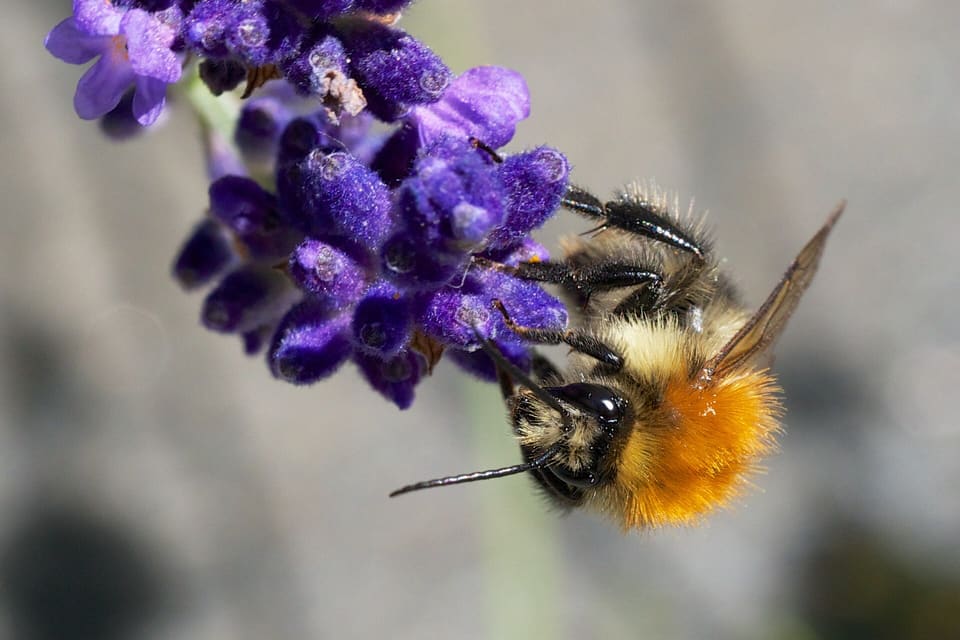
Plants that are good for bees are often good for birds too, because they bring insects. The guide to plants for pollinators lists them by season.
Feeders
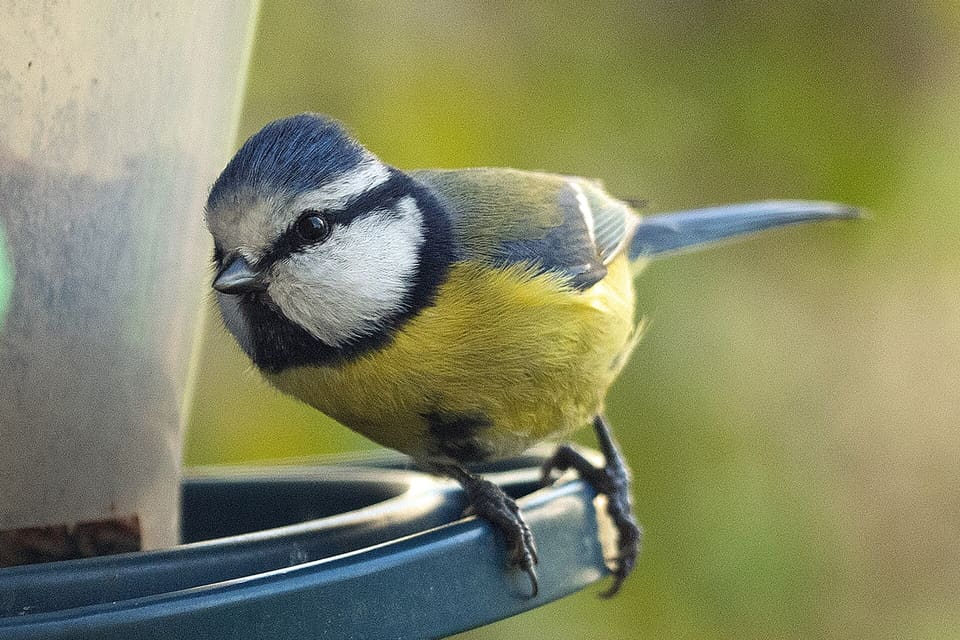
A feeder brings birds close to a window, and it helps them most in winter and early spring, when natural food is scarce.
| Food | Which birds tend to take it |
|---|---|
| Black sunflower seeds or sunflower hearts | Many seed-eating birds |
| Suet or fat blocks | Woodpeckers, tits or chickadees, and other insect eaters, mainly in cold weather |
| Nyjer seed | Finches |
| Unsalted peanuts in a mesh feeder | Tits or chickadees, nuthatches, woodpeckers |
Start with one feeder of sunflower seeds. Do not put out bread, salted food, or cooked leftovers. They fill birds up without the nutrients that they need.
How do you give birds water?
Water is the simplest thing to offer, and many gardens lack it. Birds need it to drink and to bathe all year, also in winter.
- Use a shallow dish or a bird bath, 1 to 2 inches deep, with sloping sides. A plant saucer on a tree stump works well.
- Put a flat stone in the middle, so small birds have a safe place to stand.
- Place it in the open, a few feet from a shrub. Birds can then see a cat coming and have cover to fly to.
- Change the water every two or three days, and scrub the dish once a week.
- In freezing weather, pour in fresh, lukewarm water each morning. Do not add salt or antifreeze.
Rainwater is fine for a bird bath. If you want to store it, see how to collect rainwater for the garden.
What shelter do birds need?
A bird at a feeder in an open lawn is exposed. Birds stay longer and come more often when cover is near.
- Dense shrubs and hedges give a place to hide, to rest at night, and to nest. Shrubs with thorns are the safest of all.
- Evergreens give shelter in winter, when other plants are bare.
- Climbers on a wall or fence make cover in a garden that has no space for shrubs.
- Layers help: some ground cover, some shrubs, and one small tree, if there is space.
A mixed hedge does more for birds than a fence. If your garden is small, one small tree with blossom and berries does much of the work. The guide to small garden design ideas shows how to fit one in.
Where can birds nest?
Many birds nest in dense shrubs, hedges, and climbers. Do not trim hedges in spring and early summer, when nests are in use. Leave the main cut for late summer or winter.
You can also put up a nest box.
- Fix it 6 to 10 feet above the ground, on a wall, a fence, or a tree.
- Turn the opening away from the strongest wind and from full afternoon sun.
- Keep it away from feeders, which are too busy for a nest.
- Clean out the old nest in fall, after the birds have left.
Why should you leave some mess?
A very tidy garden has little for birds. Small changes help:
- Leave seed heads on perennials and grasses until late winter.
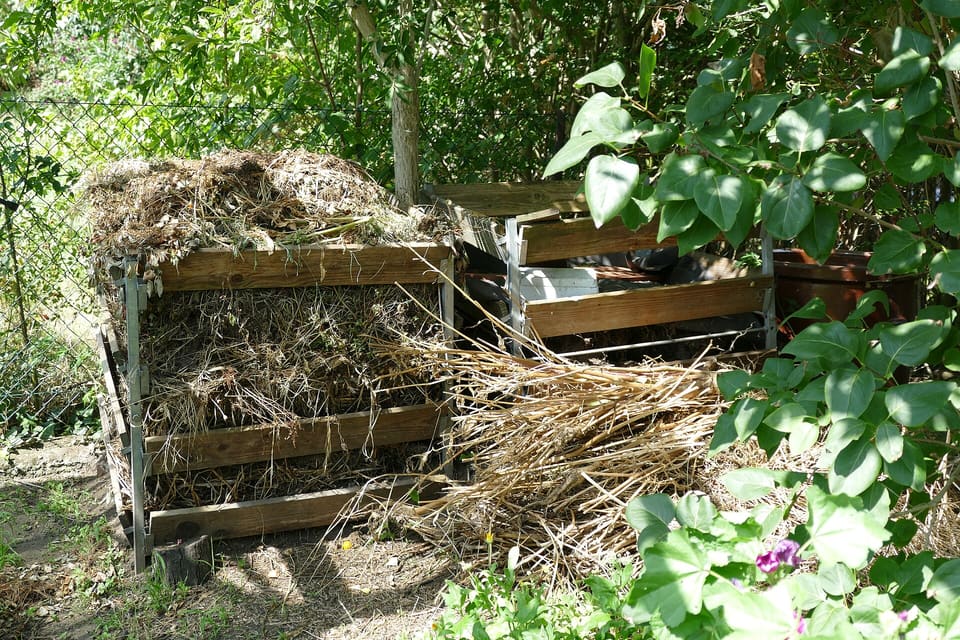
- Let fallen leaves lie below shrubs. Birds turn them over to find insects, and the leaves feed the soil. You can also make leaf mold from fall leaves with the rest.
- Stack some logs and twigs in a quiet corner. Insects move in, and birds follow.
How do you keep birds safe?
- Cats: put feeders and baths where a cat cannot hide close by, and keep your own cat indoors at dawn and dusk if you can, most of all in the nesting season.
- Windows: birds fly into glass that reflects the sky. Put feeders either very close to a window, within about 3 feet, or far from it. Stickers or strings on the outside of the glass help too.
- Sprays: insecticides remove the food that chicks need. For pests, use the methods in the guide to organic pest control for vegetable gardens.
What is the reward?
Birds give something back. They eat caterpillars, aphids, slugs, and snails, and a garden with birds needs less help from you. If slugs are your main problem, the post on how to get rid of slugs in the garden naturally shows where birds fit in.
Start with water this week. Add one feeder, and plan one shrub with berries for the next planting season. The birds will find you.