Knowing what to plant in each season comes down to one idea: cool-season plants go in the ground in spring and fall, warm-season plants go in after the last frost, and woody plants and bulbs go in while the soil is still warm in fall. The lists below give you the details for a temperate climate in the northern hemisphere. Use them together with two local dates, and you will rarely plant at the wrong time.
Find your two frost dates first
Every planting schedule hangs on two dates: the average last frost in spring and the average first frost in fall. Your local weather service or a neighbor who gardens can tell you both. Write them down.
- Before the last spring frost, only hardy plants are safe outdoors.
- Between the two dates is your growing season for tender plants.
- After the first fall frost, tender plants die, but hardy ones continue.
Average dates are only averages. Watch the forecast, and keep an old sheet or a row cover ready for a late cold night.
What do you plant in spring?
Early spring: hardy crops
As soon as the soil is no longer frozen or soggy, you can sow the plants that like cold. Squeeze a handful of soil. If it crumbles when you poke it, it is ready. If it stays in a wet ball, wait a week.
- Peas, spinach, lettuce, radishes, and arugula from seed
- Onion sets and seed potatoes
- Kale, cabbage, and broccoli as young plants
- Bare-root roses, fruit bushes, and perennials
These plants can take a light frost. They grow fast in cool weather and often turn bitter or go to seed when the heat arrives, so an early start matters.
Late spring: tender crops
When the last frost has passed and the nights stay mild, the warm-season plants can go out. The soil should feel warm when you hold your hand on it, not cold.
- Tomatoes, peppers, and eggplants as young plants
- Beans, corn, cucumbers, zucchini, and squash from seed
- Basil and other tender herbs
- Summer annuals such as zinnias, cosmos, marigolds, and sunflowers
- Dahlia tubers and gladiolus corms
Harden off plants that you raised indoors. Put them outside for a few hours each day for about a week, a little longer each time, before you plant them.
What do you plant in summer?
Early summer is your last good chance for heat lovers. Sow a second round of bush beans, cucumbers, and zucchini to replace the first plants when they tire.
Midsummer is when you sow for fall. It feels strange to plant seeds in the heat, but fall crops need the time. Count back from your first fall frost with the number of days on the seed packet, and add two weeks, because growth slows as the days get shorter.
- Carrots and beets for a fall harvest
- Kale, chard, and broccoli plants for fall
- A new sowing of bush beans
The post on vegetables to plant in July gives a full list with timing. Seeds dry out fast in summer soil, so water the row before you sow, and keep it moist until the seedlings are up. A board laid over a row of carrot seed for the first few days helps to hold the moisture. Check under it daily, and remove it at the first sign of green.
What do you plant in fall?
Fall is the most underused planting season. The soil is warm, the air is cool, and rain is usually more regular. Roots grow well, and plants need less water from you.
Early fall
- Lettuce, spinach, radishes, and arugula for a last quick harvest
- Perennials, trees, shrubs, and hedges, which root in before winter
- Lawn seed, which sprouts well in warm soil with fall rain
- Cover crops such as clover or winter rye on empty beds
Mid to late fall
- Spring bulbs: daffodils, crocuses, tulips, and alliums. Plant them at a depth of about three times the height of the bulb, pointed end up.
- Garlic, one clove at a time, about a month before the ground freezes. It roots in fall and is ready the next summer.
Tulips can go in last. They do well when you plant them late in fall, after the soil has cooled.
While you wait for the leaves to drop, collect them. You can make leaf mold from fall leaves and use it on these same beds next year.
What can you plant in winter?
Not much goes into frozen ground, but winter still has work.
- Plant bare-root trees, roses, and fruit bushes on mild days when the soil is not frozen or waterlogged.
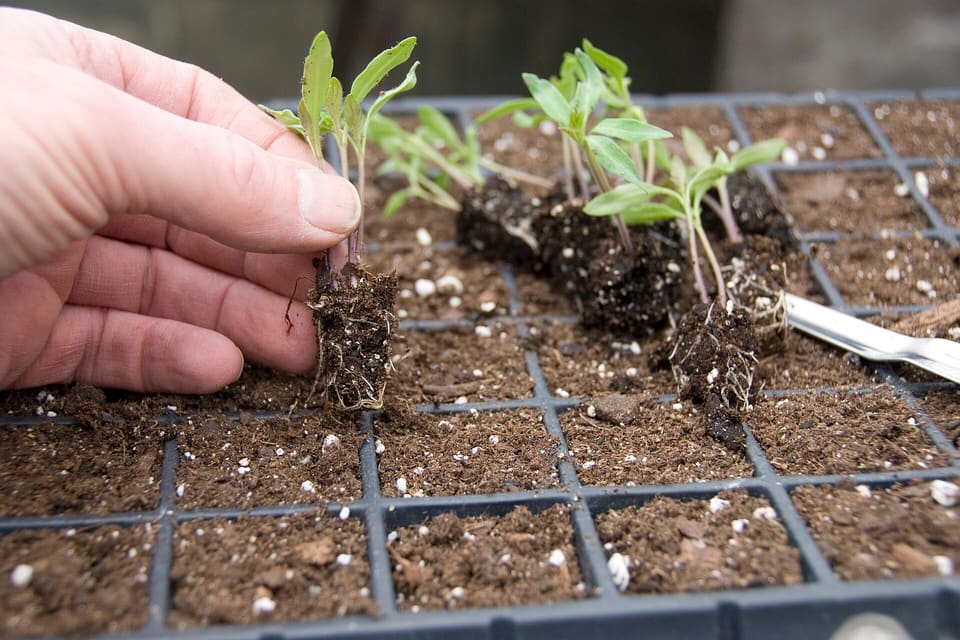
- In late winter, sow slow seeds indoors: onions and leeks first, then peppers, then tomatoes about six to eight weeks before your last frost.
- Order seeds and plan the beds. Move each vegetable family to a different bed than last year.
A bright windowsill is sufficient for a few seedlings. Turn the pots daily so the stems grow straight.
Common timing mistakes
- Planting tomatoes too early. A cold night or cold soil stops them for weeks. A plant that goes out later often catches up and passes it.
- Sowing into wet, cold soil. Seeds rot before they sprout. Wait for the crumble test.
- Forgetting fall. Many gardeners stop in summer and miss the easiest season for greens, bulbs, and shrubs.
- Trusting the calendar over the weather. A warm week in early spring does not mean the frost is over.
For a month-by-month list of tasks, use the seasonal garden calendar. If you grow in pots, the timing is the same, but the soil warms faster in spring. The guide to container gardening for beginners explains the differences.