If you want to know how to prune shrubs and roses, learn two things: when the plant makes its flower buds, and where to put the cut. Shrubs that flower in spring are pruned right after they bloom. Shrubs that flower in summer, and most roses, are pruned in late winter or early spring. Each cut goes just above a healthy bud that faces outward. The rest is practice, and plants forgive most mistakes.
Why prune at all?
A shrub that is never pruned does not die. But it can become a tangle of old wood with few flowers, mostly at the top. Pruning does four things:
- It removes dead and sick wood, where disease can start.
- It lets light and air into the center of the plant.
- It brings on strong young shoots, which flower best.
- It keeps the plant at a size that fits its place.
The tools you need
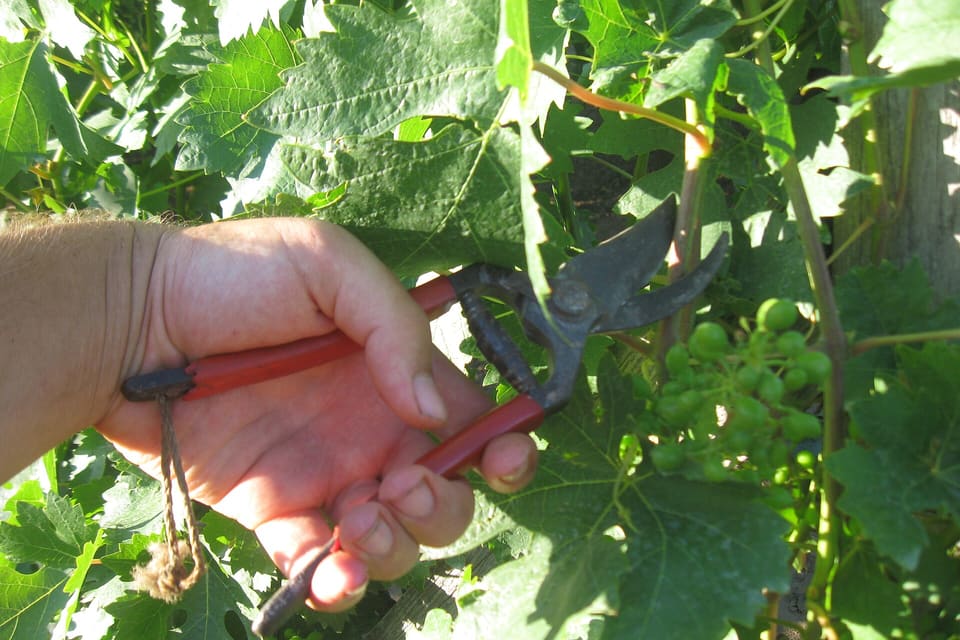
- Bypass pruners for stems up to the thickness of a pencil or a little more. The two blades pass each other like scissors and make a clean cut.
- Loppers for branches up to about 1.5 inches thick.
- A pruning saw for larger branches.
- Thick gloves for roses.
Keep the blades sharp. A blunt tool crushes the stem, and a crushed stem heals slowly. Wipe the blades clean after you cut diseased wood, so you do not carry the problem to the next plant.
Where do you make the cut?
Look along the stem for a bud. It is a small bump, often just above the place where a leaf is or was attached. Choose a bud that points away from the center of the plant, because the new shoot grows in the direction that the bud points.
- Cut about a quarter inch above the bud.
- Angle the cut slightly, so it slopes away from the bud and water runs off.
- Do not cut too close, which damages the bud. Do not leave a long stub, which dies back.
When you remove a whole branch, cut just outside the slightly swollen ring where it joins the larger stem. Do not cut flush with the trunk, and do not leave a peg.
When do you prune flowering shrubs?
The rule depends on the age of the wood that carries the flowers.
Shrubs that flower in spring
Forsythia, lilac, mock orange, weigela, and flowering quince bloom on wood that grew the year before. If you prune them in winter, you cut off the flower buds. Prune them right after the flowers fade, so the plant has the whole summer to grow new wood for next year.
Shrubs that flower in summer
Butterfly bush, panicle hydrangea, and many spireas bloom on wood that grows in the same year. Prune them in late winter or early spring, before growth starts. You can cut them back hard, and they still flower in summer.
Hydrangeas differ from type to type. Bigleaf hydrangeas, the ones with large round blue or pink heads, mostly flower on old wood. Remove only the dead stems and the old flower heads in spring, and cut just above the first pair of fat buds.
The renewal method for overgrown shrubs
For an old, crowded shrub with many stems from the ground, do not shear the top. Take out about one third of the oldest, thickest stems at ground level each year for three years. New shoots grow from the base, and after three years you have a young shrub of the same size. This works well for lilac, forsythia, and dogwood.
When do you prune roses?
Prune most roses in late winter or early spring, when the buds begin to swell but before the leaves open. In many regions this is about the time when forsythia flowers. If you prune too early, a hard frost can damage the new cuts.
Roses that flower only once, in early summer, are the exception. Many old garden roses and ramblers are in this group. Prune them right after they flower.
How to prune a rose bush, step by step
For bush roses that flower again and again through summer, such as hybrid teas and floribundas:
- Remove all dead wood. It is brown or gray, and dry inside. Cut back until the center of the stem is pale and healthy.
- Remove thin, weak stems, anything thinner than a pencil.
- Remove stems that cross and rub, and stems that grow into the center. Aim for an open shape, like a bowl.
- Shorten the stems that remain by about one third to one half. Cut each one above a bud that faces outward.
- Collect all the cuttings and old leaves from the ground. They can carry disease, so do not leave them under the plant.
Shrub roses need less. Remove the dead wood, shorten the plant by about a third, and take out one or two of the oldest stems at the base.
Climbing roses flower best on stems that grow sideways. Keep the long main canes, tie them as close to horizontal as you can, and shorten the side shoots to two or three buds.
Through summer, cut off the faded flowers of roses that bloom again. Cut down to the first leaf with five leaflets. Stop in early fall, so the plant can get ready for winter.
Common pruning mistakes
- Shearing every shrub into a ball. This makes a thick shell of leaves on the outside and bare wood inside. Use single cuts at different heights.
- Pruning in fall. A cut starts new growth, and soft new shoots are killed by frost. Remove only broken branches in fall.
- Taking too much. More than one third in a year stresses most shrubs.
- Cutting spring shrubs in winter. The plant is fine, but you lose a year of flowers.
After you prune, spread compost around the base and water in dry weather. The seasonal garden calendar shows what to prune in each month. Roses with open flowers are also good plants for pollinators, and healthy new growth is less attractive to pests, although you may still need to get rid of aphids on the young shoots.