The best plants for pollinators are simple, open flowers that are rich in nectar and pollen, planted so that something is in bloom from early spring until the first hard frost. Lavender, catmint, coneflower, bee balm, asters, and flowering herbs are reliable choices in most temperate gardens, and plants native to your own region are often the most useful of all.
What makes a plant good for pollinators?
Bees, butterflies, hoverflies, and moths visit flowers for two foods: nectar for energy and pollen for protein. A good plant offers plenty of both and makes them easy to reach.
- Single flowers beat doubles. In many double flowers, the parts that carry pollen have been bred into extra petals. They look full, but there is little food inside. Choose varieties where you can see the center of the flower.
- Different shapes feed different visitors. Flat, daisy-like flowers suit hoverflies and small bees. Tubular flowers suit long-tongued bumblebees. Flat-topped clusters make a landing pad for butterflies. A mix of shapes feeds the widest range.
- Native plants fit local insects. Local pollinators have lived with these plants for a very long time, and some insects depend on a small group of them. A regional native plant society or extension service can give you a list for your area.
Plants to grow, season by season
The lists below are a starting point for temperate gardens. Pick at least two or three from each season.
Early spring
Queens of bumblebees come out of winter hungry, when very little is in flower. This is the season where a home garden helps the most.
- Crocus and snowdrops
- Lungwort
- Hellebores with single flowers
- Willow, and the blossom of fruit trees such as apple, cherry, and plum
- Dandelions and clover in a patch of lawn that you mow less often
Late spring and early summer
- Catmint
- Chives, left to flower
- Alliums
- Foxglove
- Salvia
- Borage
High summer
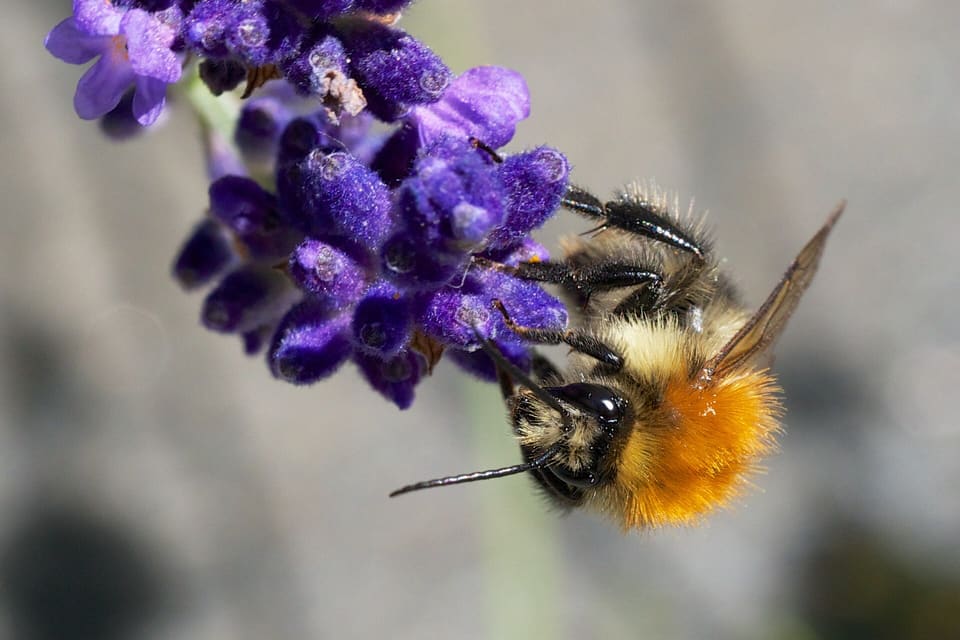
- Lavender
- Coneflower
- Bee balm
- Anise hyssop
- Sunflowers with open, pollen-bearing centers
- Thyme, oregano, and mint in flower
- Milkweed, in North America, which is the only food of monarch caterpillars
Late summer and fall
Late flowers feed the insects that must build reserves for winter.
- Asters
- Goldenrod
- Sedum
- Joe-Pye weed
- Ivy, if you let a mature plant flower
How should you arrange them?
Plant in clumps. A group of three, five, or more of the same plant is easier for an insect to spot than single plants dotted around, and a bee can feed without long flights between flowers.
Choose sun and shelter. Most pollinators are most active in warm, sunny spots out of the wind. A border against a south-facing fence or wall is ideal.
Check for gaps. Walk around the garden once a month and note what is in flower. If nothing is, that is the gap to fill next. The month-by-month garden calendar can help you plan what to add and when.
Use pots if you have no beds. Lavender, catmint, thyme, oregano, and sedum grow well in containers on a sunny balcony. A few of the small garden design ideas show how to fit flowers into a tight space.
Let the herbs and vegetables flower. Leave a few chive, thyme, and oregano plants uncut. Let one or two cilantro, dill, or arugula plants bolt. Their small flowers are a favorite of hoverflies, whose young eat aphids.
More than flowers: water, shelter, and no sprays
Flowers bring pollinators in. A few more steps help them stay and breed.
Offer shallow water
Fill a shallow dish with pebbles and add water so that the tops of the stones stay dry. Insects can land and drink without drowning. Rinse and refill it every few days.
Leave some mess
Many wild bees nest in bare ground, hollow stems, or old wood. Butterflies and moths spend winter as eggs, caterpillars, or pupae in fallen leaves and dead stems.
- Leave a small patch of bare, sunny soil without mulch.
- Do not cut every perennial down in fall. Leave stems standing through winter and cut them back in spring, once the weather has warmed.
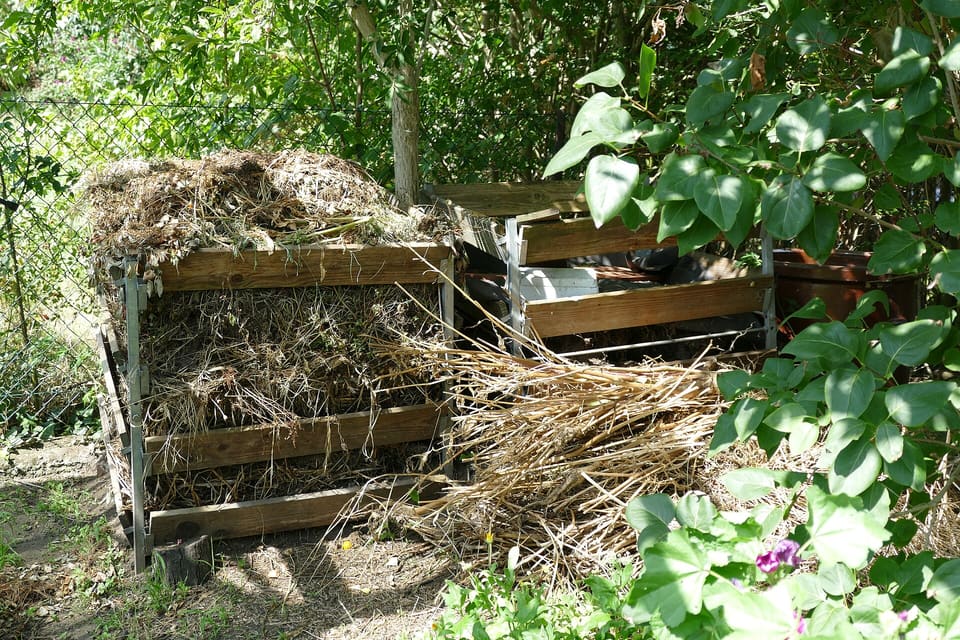
- Rake some leaves under shrubs instead of bagging them. If you have more leaves than you need, you can make leaf mold with the rest.
Do not spray insecticides
Insecticides do not choose between pests and pollinators. A broad spray on a plant in flower can kill the bees that visit it. Handle pests with hand-picking, water sprays, barriers, and patience. The guide to organic pest control for vegetable gardens sets out the methods, starting with the gentlest.
Common mistakes
- All the flowers in June. A garden that peaks for one month leaves insects hungry for the rest of the year. Spread the bloom.
- Only bedding plants. Many common bedding flowers have been bred for color and offer little nectar. Mix in perennials and herbs.
- One of everything. Single plants are hard to find. Repeat fewer kinds in larger groups.
- A garden that is too tidy. Bare soil, old stems, and leaf litter are homes. Keep the neat part near the house and let a back corner go a little wild.
What to do next
Start small. Choose one sunny spot, a bed or three large pots, and plant one clump for spring, one for summer, and one for fall. Watch which flowers get the most visits, and plant more of those next year. There are more ways to garden with nature on the sustainable gardening topic page.