The small garden design ideas that work best all do one of two things: they use space you already have but overlook, such as walls and corners, or they trick the eye into reading the space as larger than it is. You do not need to do all eight. Two or three, done well, will change how the garden feels.
1. Grow up, not out
A fence that is six feet tall and twenty feet long has more surface than many small lawns. Put it to work.
- Fix wires or a trellis to walls and fences and plant climbers at the base. Clematis, climbing roses, and star jasmine give flowers. Pole beans and trained squash give food.
- Hang planters or shelves on a sunny wall for herbs and strawberries.
- Use tall, narrow supports such as obelisks in beds to add height without taking floor space.
Check that the wall or fence can carry the weight, and leave a gap of a couple of inches between trellis and wall so that air can move behind the plants.
2. Choose fewer, bigger pots
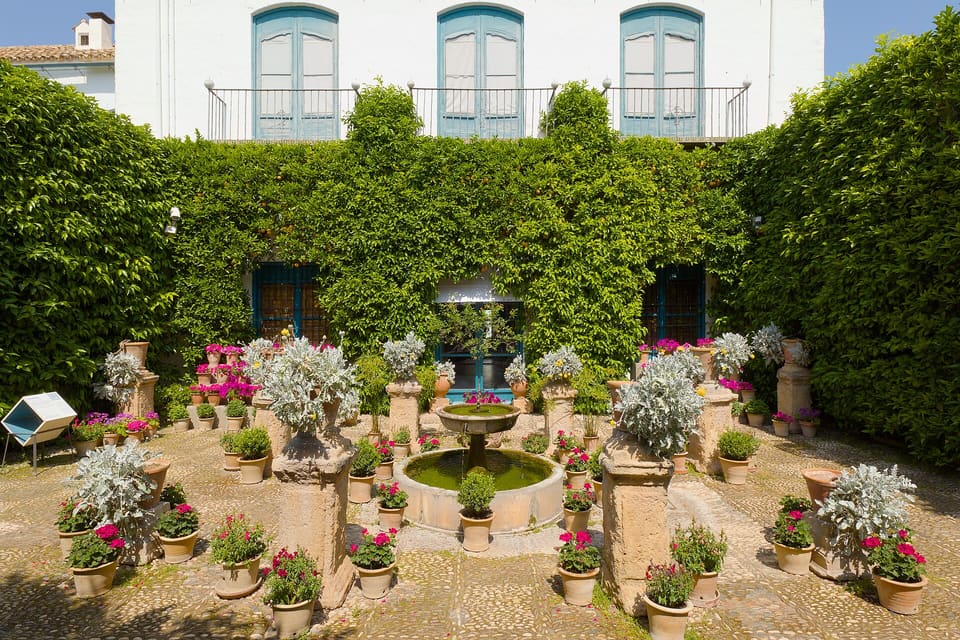
A crowd of small pots looks busy and makes a patio feel cluttered. Three large containers have more effect than fifteen small ones, and they are much less work to water. Plant each one generously, with something tall, something bushy, and something that trails over the edge.
Keep the pots in one material or one color family so they read as a group. The guide to container gardening for beginners explains which sizes suit which plants.
3. Hide something
It sounds backwards, but a garden you can see in one glance feels small. If part of it is hidden, the mind assumes there is more.
You can do this with very little: a tall pot and a grass that half-screens a seat, a trellis panel set at a right angle to the fence, or a path that bends behind a shrub. Even in a courtyard, one screen that blocks a corner creates the feeling of a second space.
4. Lay lines on the diagonal
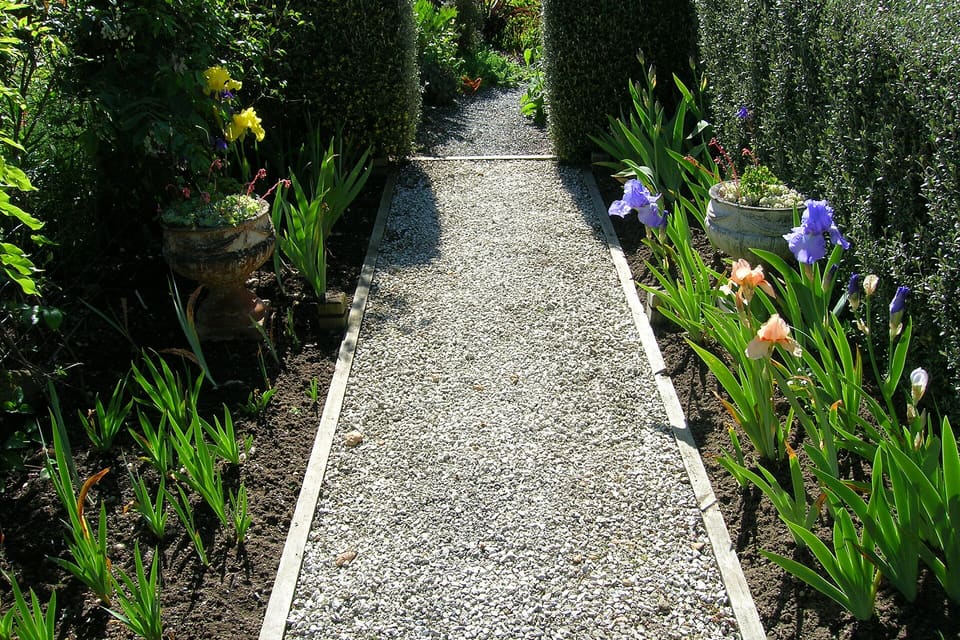
The longest line in a rectangle is corner to corner. If you lay paving, decking boards, or a path on the diagonal, the eye follows that longer line and the plot feels wider. The same works for beds. A bed that cuts across a corner in a curve or at an angle is more interesting than a thin strip along each fence, and it gives you deeper soil to plant in.
Thin borders are a common small-garden mistake. A bed less than two feet deep can only hold a single row of plants. One deep bed is better than three narrow ones.
5. Limit your materials and repeat your plants
Pick one paving material, one type of wood or metal, and one or two pot finishes, then stop. Every extra material breaks the space into smaller pieces.
Do the same with plants. It is tempting to buy one of everything. Instead, choose five or six plants that you like and repeat them in groups of three or more. Repetition leads the eye through the garden and makes it feel calm and planned.
Foliage matters more than flowers in a small space, because you look at the leaves for many more weeks. Mix leaf shapes: something bold, something fine, something upright.
6. Blur the boundaries
Bare fences tell you exactly where the garden ends. Cover them with climbers or paint them a dark, quiet color such as charcoal or deep green. Dark surfaces step back, and green leaves stand out against them.
If there is a tree or a good view beyond your fence, do not block it. Frame it. Plants on your side that echo the shapes and colors beyond make the neighbor's tree feel like part of your garden.
7. Make everything do two jobs
In a small garden, there is no room for things with a single use.
- A bench with a lid stores cushions, tools, and bags of potting mix.
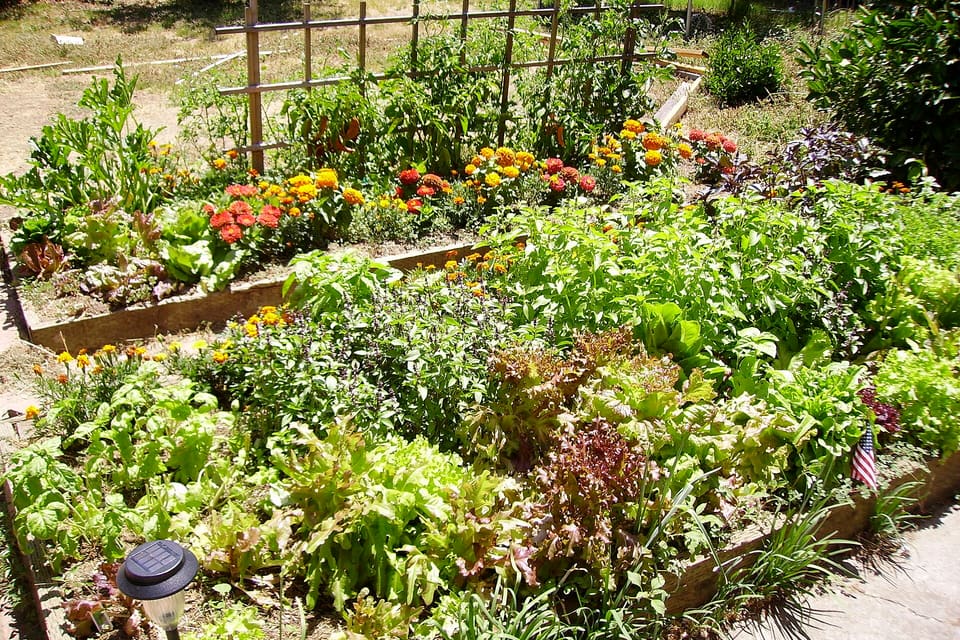
- A raised bed with a wide edge is also a seat. The post on how to plan a raised bed vegetable garden covers sizes and layout.
- Folding chairs and a small folding table clear the floor when you are not using them.
- Edible plants can be the ornament. Rainbow chard, purple kale, chives, and thyme look good and go into the kitchen.
- Flowers can feed wildlife. Many of the best plants for pollinators are compact and happy in pots.
8. Plant one small tree
It is natural to think a tree is too big for a small garden. But a single small tree gives height, shade, a place for birds, and a ceiling that makes the space feel like a room. Without something tall, a small garden can feel like a box with a lid off.
Choose a tree that stays under about 20 feet and works in more than one season. Serviceberry has spring blossom, summer berries, and fall color. Japanese maple has fine leaves and a graceful shape. A crabapple gives blossom and fruit for birds. On a patio, a tree in a large pot does the same job on a smaller scale. Keep its shape with light pruning once a year. The guide on how to prune shrubs and roses explains where to cut.
Where to start
Before you buy anything, spend a week looking.
- Note the sun. Mark where it falls in the morning, at midday, and in the evening. This decides where the seat goes and what will grow.
- Decide the main use. Eating outside, growing food, or a green view from the kitchen window? A small garden can do one thing very well.
- Draw it on paper. Measure the space and sketch it to scale. Place the seat and the tallest element first, then fit the planting around them.
- Clear before you add. Take out what you do not love. Space is the most valuable thing you have.
Then pick the two ideas from this list that fit your space best and start there. There are more layout articles on the garden design topic page.