If you wonder when to harvest tomatoes, the answer is: when the fruit has its full color, feels firm but gives a little to a gentle squeeze, and comes away from the vine with a light twist. For the best flavor, let it reach that point on the plant when the weather is kind. When it is not, you can pick as soon as the first color shows and let the fruit finish indoors.
What are the signs of a ripe tomato?
Use more than one sign, because color alone can mislead.
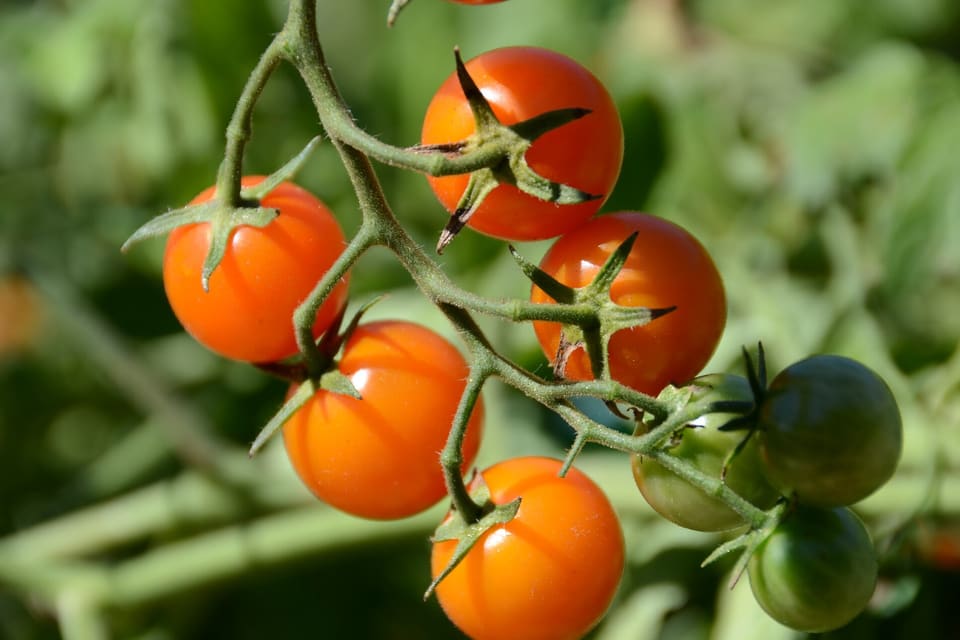
- Color: the fruit has the full color of its variety, from the bottom to the shoulders. That color can be red, pink, orange, yellow, or dark purple. Some varieties keep green shoulders when they are ripe.
- Feel: the fruit is firm, with a slight give, like the base of your thumb. Hard means not ready. Soft means overripe.
- Release: a ripe tomato comes off when you lift and twist it gently. If you have to pull, wait.
- Smell: a ripe fruit has a clear tomato smell at the stem end.
Green varieties are the hardest to judge. They turn from a flat green to a green with a yellow or amber tone, and they soften like any other tomato.
What are the color stages?
A tomato does not change in one day. Growers name these stages:
| Stage | What you see | Can you pick it? |
|---|---|---|
| Mature green | Full size, pale green, glossy | Yes, but the flavor will be weaker |
| Breaker | The first blush of color at the bottom | Yes, it ripens fully indoors |
| Turning and pink | Color on up to half of the fruit, then on most of it | Yes |
| Light red | Mostly colored, still very firm | Yes, good for keeping a few days |
| Ripe | Full color, slight give | Yes, eat within a few days |
Why does the breaker stage matter?
At the breaker stage, the fruit seals itself off from the plant. From then on it takes almost nothing more from the vine. It has all that it needs to ripen, and it will develop its color, sugar, and flavor on your kitchen counter as well as on the plant.
This is useful. You are not forced to choose between flavor and safety. If trouble is on the way, pick the fruit that shows color and bring it in.
When should you pick early?
Leave fruit on the plant in calm, warm weather. Pick at the breaker stage or later in these cases:
- Heavy rain after a dry spell. Fruit that is near ripe takes up water fast and splits. Uneven watering has the same effect, and the post on how often to water tomatoes in pots shows how to prevent it.
- A heat wave. In very hot weather, tomatoes stop making red color and can turn yellow-orange, and the sun can scald the shoulders. They color better indoors.
- Birds, squirrels, or slugs take the ripe fruit before you do.
- Large varieties that crack at the top when they stay too long.
- Frost in the forecast. See below.
How do you pick without harm to the plant?
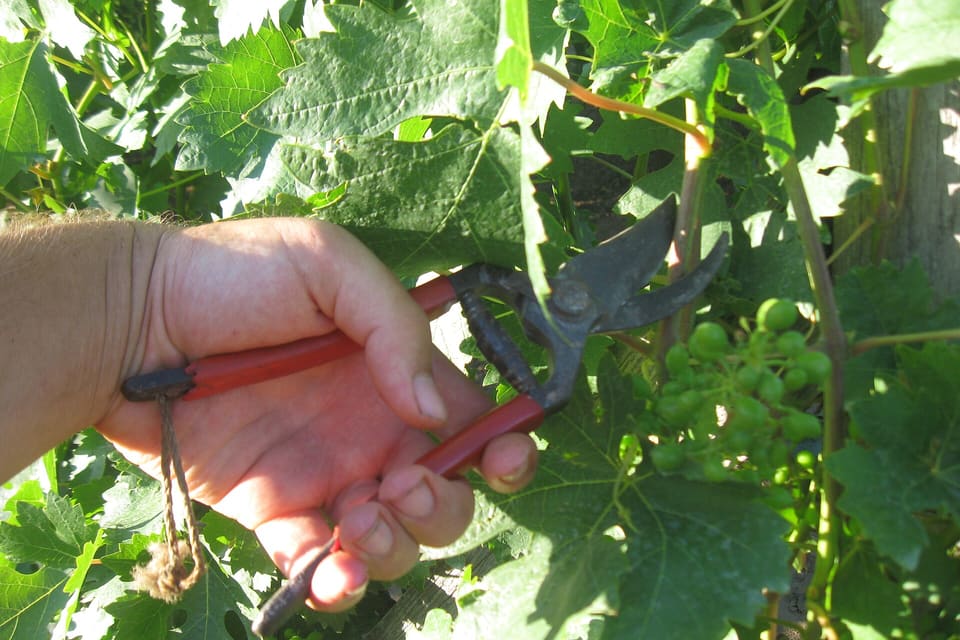
Hold the fruit in your palm and bend it up at the knuckle, the small joint in the stem just above the fruit. It snaps off cleanly there. For cherry tomatoes and for any fruit that resists, use scissors or pruners and cut the stem.
Leave the green cap on the fruit. It helps the fruit to keep. Put the tomatoes in a shallow box or basket, not deep in a bucket, where the lower ones are crushed.
How do you ripen tomatoes indoors?
- Keep them at room temperature, out of direct sun. Light is not necessary. Warmth is.
- Lay them in one layer, with the stem end up, and do not let them touch.
- Look at them every day or two, and remove any that rot.
- To speed things up, put them in a paper bag or a box with a ripe banana or apple. Ripe fruit gives off ethylene, a natural gas that starts ripening.
A sunny windowsill is not the best place. The fruit can heat up and soften on one side before it has ripened.
What should you do before the first frost?
Tomato plants die at the first frost, and frozen fruit is spoiled. Plan the end of the season.
- About four weeks before your usual first frost, cut off the growing tips and remove new flowers. The plant then puts its energy into the fruit that it already has.
- Water less in these last weeks. A little stress pushes the fruit to ripen.
- When frost is forecast, pick all fruit that shows color, and all green fruit that has reached full size and has a glossy, pale skin. Small, hard, dark green fruit will not ripen.
- Sort indoors. Fruit with color ripens in a week or two. Mature green fruit can take three to five weeks in a cool room, so you can eat fresh tomatoes long after the plants are gone.
What to do after the harvest
Clear the old plants from the bed when they are finished. Put healthy plants on the compost pile, and put plants with blight or other disease in the trash. Next year, grow tomatoes in a different place if you can.
The space does not need to stay empty. The guide to what to plant in each season lists crops that go in during late summer and fall, and the garden calendar shows the other jobs of each month. If you want to raise your own tomato plants next spring, learn how to start seeds indoors.