Houseplant care for beginners rests on three basics: give the plant the light it needs, water only when the potting mix has started to dry, and grow it in a loose mix in a pot that drains. Most plants that struggle indoors have a problem with one of those three, and usually it is light or water.
How much light does a houseplant need?
Light is food for a plant. Water and fertilizer cannot make up for a dark corner. Before you buy, look at where the plant will live.
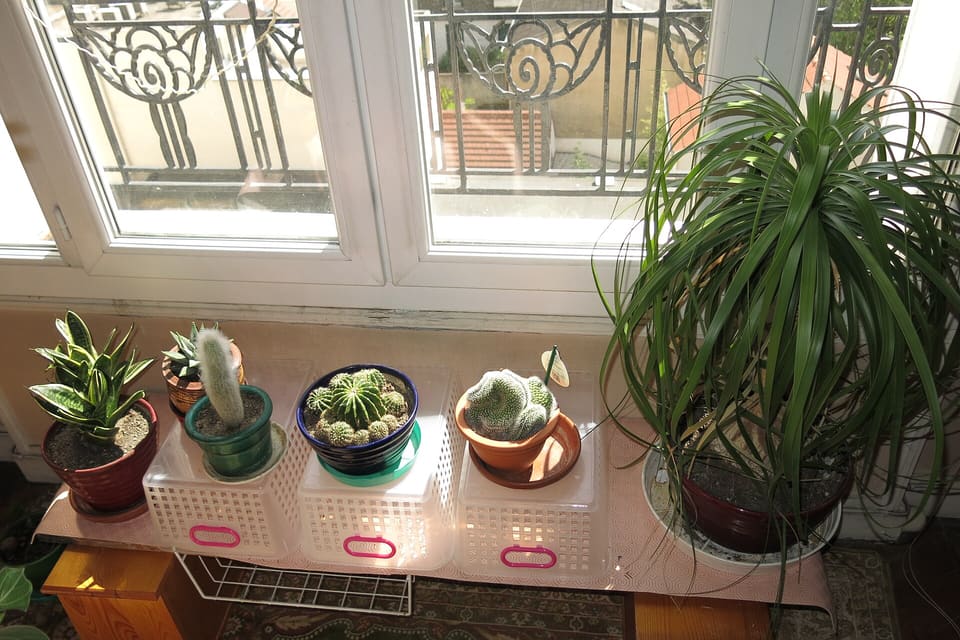
- Bright, direct light: a south or west window with sun on the leaves for several hours. Good for cacti, succulents, and most herbs.
- Bright, indirect light: close to an east window, or a few feet back from a south or west window, where the room is bright but the sun does not hit the leaves for long. This suits the widest range of houseplants.
- Medium light: a north window, or the middle of a bright room. Pothos, heartleaf philodendron, and peace lily manage here.
- Low light: you can read comfortably, but the spot is far from a window. Snake plant and ZZ plant will survive, though they grow slowly.
Light drops off fast as you move away from the glass. A plant six feet from a window gets a small part of the light it would get on the sill. If a plant grows long, thin stems with wide gaps between the leaves, or leans hard to one side, it is asking for more light. Move it closer and turn the pot a quarter turn each week.
Pale, scorched patches on the side that faces the window mean the opposite: too much direct sun. Move the plant back a little or hang a sheer curtain.
When should you water?
Do not water by the calendar. A plant uses more water in a bright, warm week than in a dull, cool one, and a small pot dries faster than a large one.
Use your finger. Push it into the mix:
- For most leafy houseplants, water when the top inch or two feels dry.
- For succulents, cacti, snake plants, and ZZ plants, wait until the mix is dry most of the way down.
- For ferns and peace lilies, water when the surface has just started to dry.
You can also lift the pot. A dry pot is clearly lighter than a wet one, and after a few weeks you will know the difference by feel.
When it is time, water thoroughly. Pour slowly over the whole surface until water runs from the drainage holes, then let the pot drain and empty the saucer after about fifteen minutes. A little splash every day is worse than a good soak once a week, because the deep roots stay dry while the surface stays wet.
In winter, growth slows because the days are short. Most plants then need water much less often, so keep checking the mix instead of keeping the summer habit.
If a plant looks unwell and you cannot tell why, the plant problem finder narrows it down in two or three questions.
Which pot and potting mix are best?
The pot must have drainage holes. If you love a decorative pot with no holes, use it as a cover: keep the plant in a plain plastic pot inside it, and lift it out to water.
Use a bagged indoor potting mix, never soil from the garden. Garden soil packs down in a pot and holds too much water. For succulents and cacti, choose a cactus mix or stir extra perlite or coarse sand into a standard mix so that it drains faster.
Many of the rules for outdoor pots apply indoors too, and the guide to container gardening for beginners covers pot materials in more detail.
Do houseplants need humidity?
Heated rooms are dry in winter, and thin-leaved plants such as ferns and calatheas show it with brown, crisp leaf edges. Group plants together so they share moisture, keep them away from radiators and heating vents, and move the fussiest ones to a bright bathroom or kitchen. Thick-leaved plants and succulents do not mind dry air.
Cold drafts cause trouble too. Keep tropical plants away from doors that open to the outside in winter and from leaves that touch cold glass.
When should you feed and repot?
Feed during spring and summer, when the plant is making new leaves. A general houseplant fertilizer at the rate on the label, or weaker, is enough. Do not feed a plant that is dry, newly repotted, or resting in winter. Too much fertilizer leaves a white crust on the mix and brown tips on the leaves.
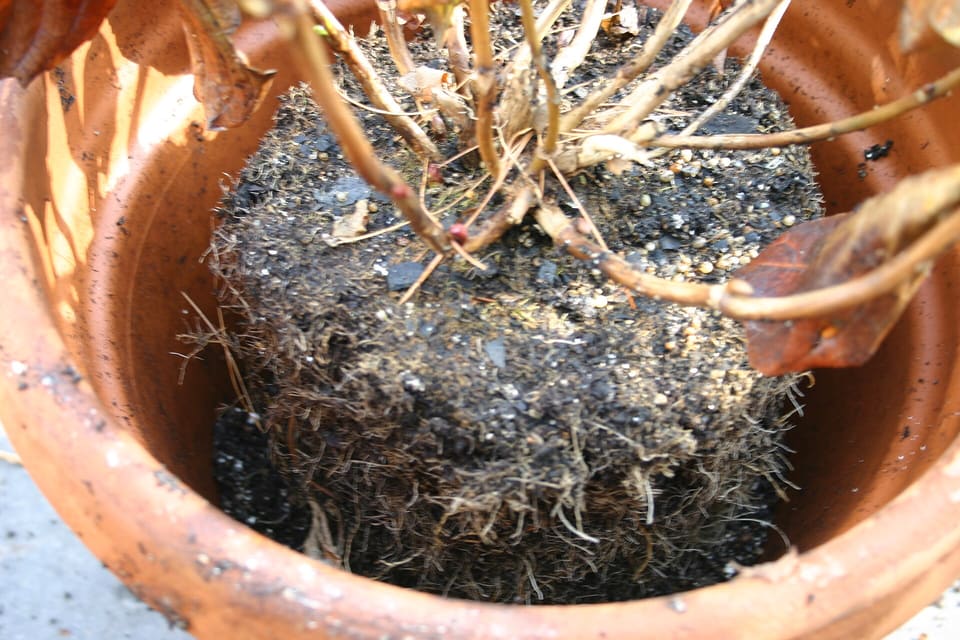
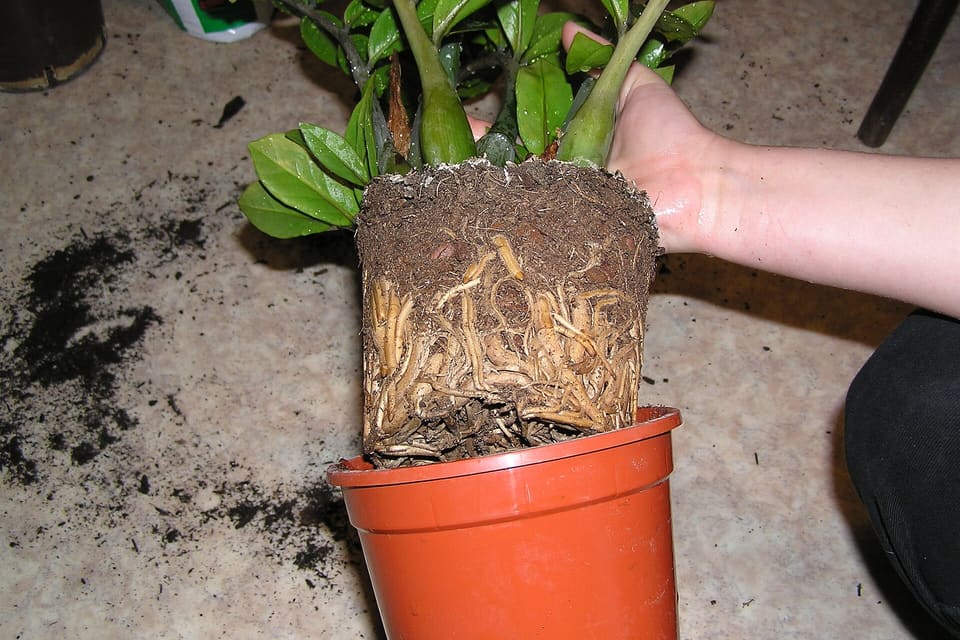
Repot when you see roots circling the surface or growing out of the drainage holes, or when water runs straight through without soaking in. Spring is the best time. Choose a pot only 1 to 2 inches wider than the old one. A pot that is much too big holds wet mix around the roots for too long.
Five houseplants that forgive mistakes
- Pothos. Trails or climbs, grows in medium light, and droops to tell you it is thirsty.
- Snake plant. Stands low light and long gaps between waterings.
- ZZ plant. Stores water in thick stems. Water it sparingly.
- Spider plant. Fast, cheerful, and easy to multiply from its baby plants.
- Heartleaf philodendron. Much like pothos, with softer, heart-shaped leaves.
Some common houseplants are harmful to cats and dogs that chew them. If you have pets, check each plant before you bring it home, and keep doubtful ones out of reach.
A simple weekly routine
Pick one day a week to look at every plant. You are checking, not automatically watering.
- Feel the mix and water only the pots that need it.
- Turn each pot a quarter turn.
- Wipe dust from large leaves with a damp cloth so that light can reach them.
- Look under the leaves and along the stems for pests. If you find clusters of small, soft insects, the same steps that get rid of aphids outdoors work indoors.
- Remove dead leaves and spent flowers.
Ten minutes a week catches most problems early. When one plant is doing well, you can browse more houseplant articles and add a second.