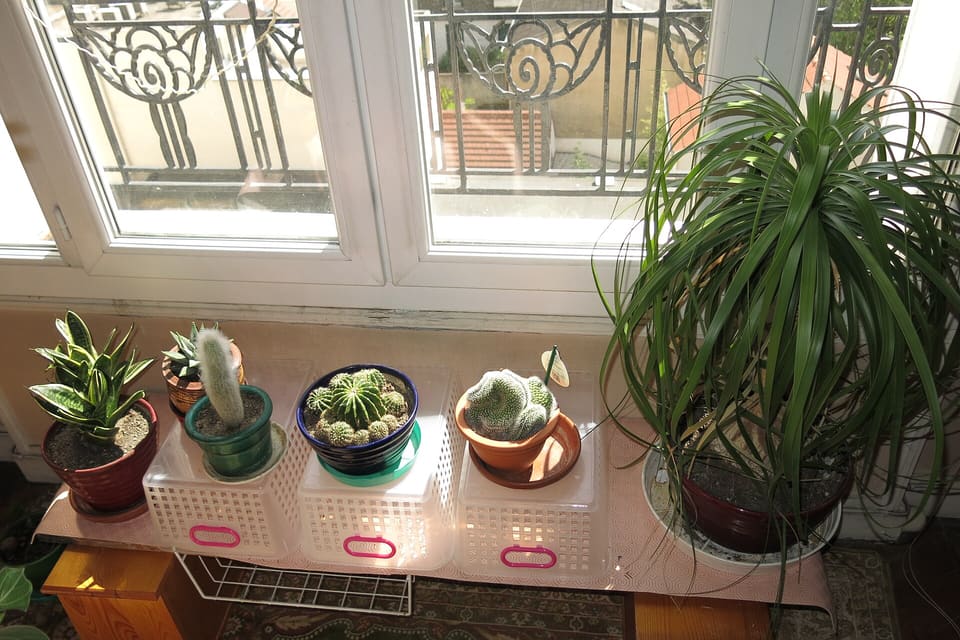
Houseplants
Houseplant Care for Beginners: Light, Water, Soil
Most houseplants fail from too little light or too much water. Learn how to match a plant to your window and when to water, feed, and repot.
Answer two or three questions about what you see, and find the most likely cause of yellow leaves, wilting, holes, or pests, with what to do next.
Question
Pick the sign that fits best. If you see more than one, start with the one that came first.
Question
Push a finger into the soil up to the second knuckle. Do this before you answer: the surface often looks dry when the soil below is wet.
Question
Look at where the yellow leaves sit on the plant.
Question
Push a finger into the soil up to the second knuckle. Do this before you answer: the surface often looks dry when the soil below is wet.
Question
The timing tells you more than the leaves do.
Question
The same sign has different causes indoors and outdoors.
Question
Look at the leaves and the soil around the plant early in the morning.
Question
Turn a leaf over and look at the shoot tips. Most small pests hide there.
Question
A seedling is a young plant that you grew from seed in the last few weeks.
Question
Look at the drainage holes and at the top of the soil. Roots that come out of the holes or circle on the surface have run out of room.
Question
Plants follow the light, not the calendar on the wall.
Most probable cause
Roots need air as well as water. In soil that stays wet they cannot breathe, and they start to rot. A plant with damaged roots cannot drink, so it can wilt and turn yellow while the soil is wet.
Most probable cause
The plant loses more water through its leaves than its roots can find. Very dry potting mix also shrinks away from the pot, so the next watering runs down the sides and out of the bottom.
Most probable cause
Every leaf has a limited life. A plant takes the goodness out of its oldest leaves and then drops them. One or two yellow leaves at the base of a plant that still makes new growth are normal.
Most probable cause
The plant has used up the food in its soil. This is common in pots, because each watering washes a little nutrition out of the mix and the roots cannot reach out for more.
How to feed potted plants, in the guide to container gardening
Most probable cause
In strong sun, large leaves lose water faster than the roots can replace it, even in damp soil. If the plant stands up again in the evening, it is not in danger.
How to save water in the garden with deep watering and mulch
Most probable cause
A move breaks some of the fine roots that take up water. For a week or two the plant cannot drink as fast as before, so it droops. Most plants recover without help.
Most probable cause
The tip is the farthest point from the roots, so it is the first part to dry out. Indoors, the usual causes are heated air, soil that dries out too far between waterings, and salts that build up in the pot.
Most probable cause
Outdoors, brown leaf edges usually mean that the plant lost water faster than it could take it up. Dry soil, strong wind, and hot sun all do this, and young plants suffer most.
Most probable cause
Slugs and snails feed at night and in wet weather, and they hide during the day. Ragged holes in soft leaves with shiny trails near them are their mark. Seedlings and young plants suffer most.
Most probable cause
Holes with no slime trails usually come from caterpillars or leaf beetles. Many of them feed below the leaf or at night, so you see the damage before you see the insect.
Most probable cause
Aphids suck the sap from soft new growth. They leave a sticky liquid on the leaves below them, and they multiply fast in warm weather.
Most probable cause
The small flies are a nuisance, but they do little harm. Their larvae live in potting mix that stays wet. Many gnats are a sign that the pot gets too much water.
Most probable cause
Spider mites are almost too small to see. They suck the sap from the leaves and leave pale speckles and fine webs. They do best in warm, dry air.
Most probable cause
A seedling in weak light grows tall and thin as it reaches for more. Warm air makes this worse. Leggy seedlings fall over easily and make weak plants.
Most probable cause
Light is food for a plant. In a dark place it makes long stems with few, small leaves as it reaches toward the window. Water and plant food cannot make up for this.
Most probable cause
The roots have filled the pot, so there is little soil left to hold water and food. The plant dries out fast and stops growing.
Most probable cause
Most plants grow little or not at all in the short days of winter. They are not ill. They wait for more light.
Most plant problems show up as one of a few signs: yellow leaves, drooping, brown tips, holes, insects, thin growth, or no growth. The finder starts with the sign and then asks one or two questions to narrow it down. The answer is the most likely cause, not a certain one. Plants cannot talk, and two problems can look alike.
Every result ends with a link to a guide that covers the fix in detail.
If you remember one thing, make it this: push a finger into the soil before you do anything. Too much water and too little water cause most of the trouble with plants in pots, and they can look the same from above. A plant that wilts in wet soil needs less water, not more.
The post on how to save an overwatered houseplant shows how to check the roots, and the guide to houseplant care for beginners explains how often to water in the first place.
The finder covers the common cases, and a rare disease will not be in it. If nothing fits:
For pests in the vegetable garden, the guide to organic pest control for vegetable gardens goes through prevention first and treatment second.
Most houseplants fail from too little light or too much water. Learn how to match a plant to your window and when to water, feed, and repot.
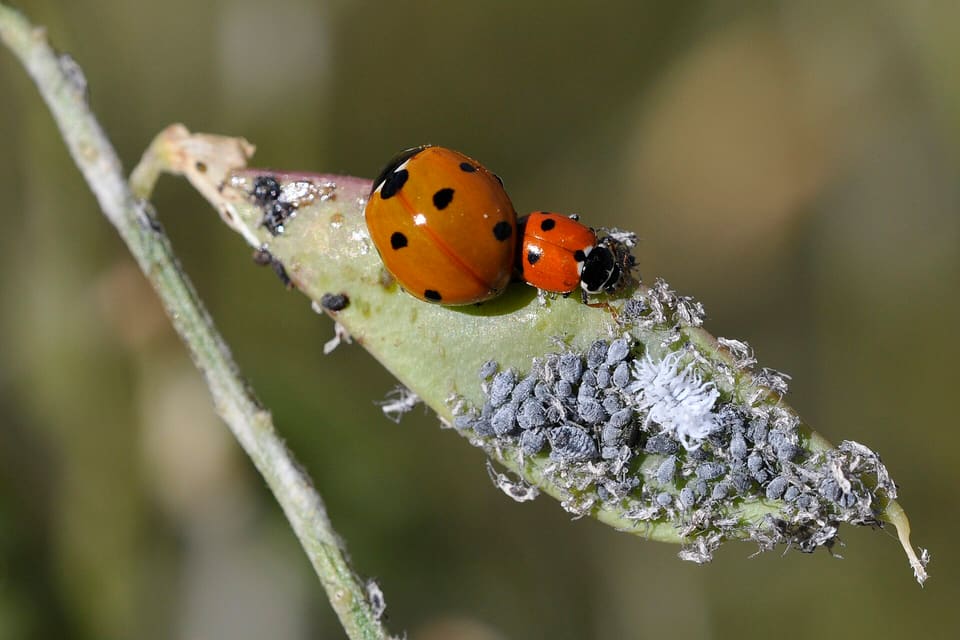
Stop slugs, caterpillars, and beetles without synthetic sprays. Start with prevention, then barriers, hand picking, and helpful insects.
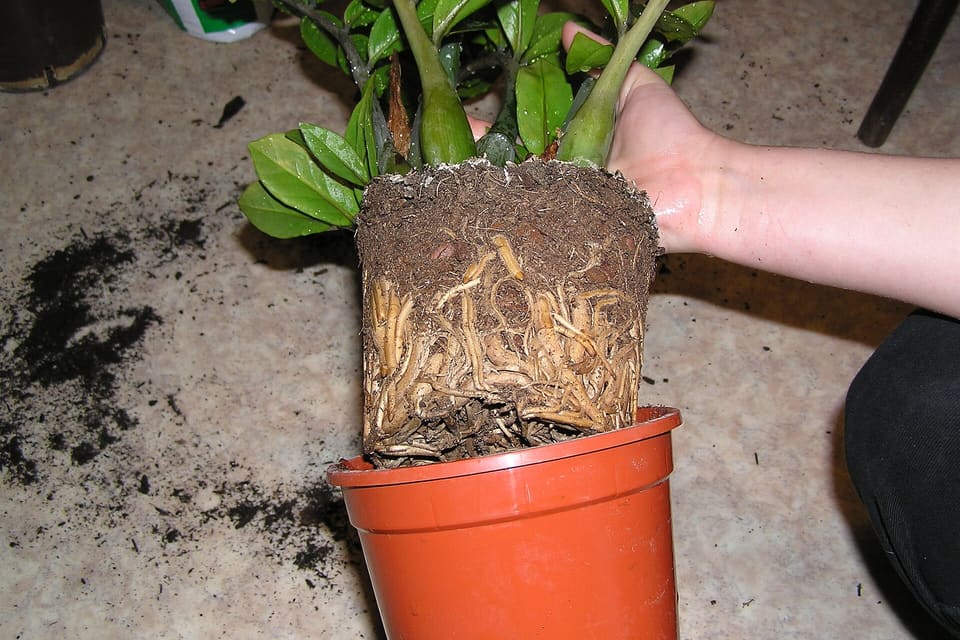
Yellow leaves and wet soil? Check the roots, cut away the rot, and repot in fresh mix. These steps give an overwatered plant its best chance.